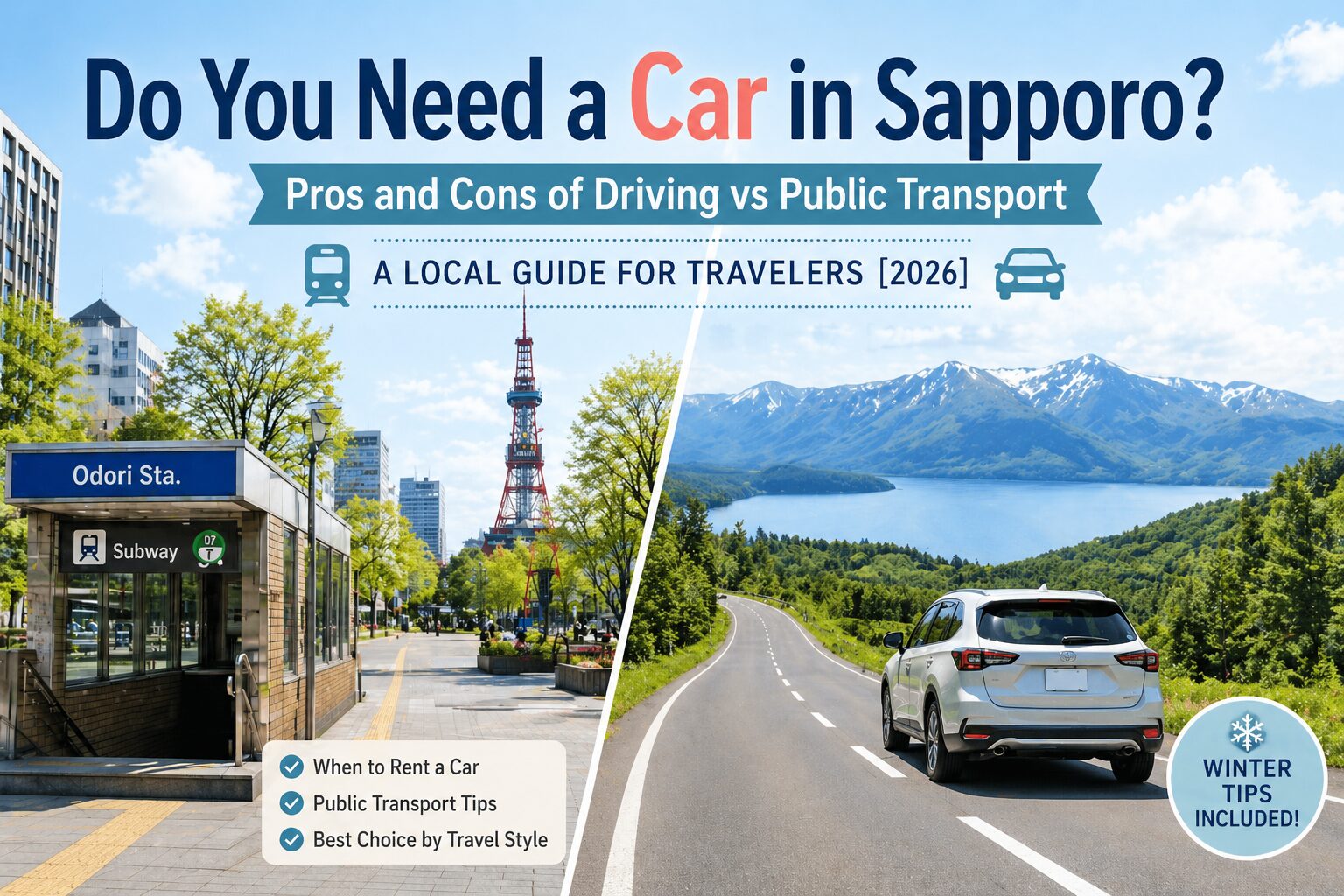
If you’re planning a trip to Sapporo, one of the most common questions is:
“Do I need to rent a car?”
As someone living in Sapporo, here’s the simple answer:
- No — if you stay within the city
- Yes — if you want to explore nature or rural areas
However, the best choice depends on your travel style, itinerary, and season.
In this guide, I’ll break down the pros and cons of both options based on real experience, so you can choose what works best for your trip.
Quick Answer: When Do You Need a Car?
| Travel Style | Do You Need a Car? |
|---|---|
| Sapporo city only | ❌ No |
| Otaru / nearby day trips | △ Optional |
| Furano, Biei, Shakotan, Lake Shikotsu | ◎ Yes |
| Winter (snowy roads) | ❌ Not recommended |
| Traveling with kids (outside city) | ◎ Strongly recommended |
From my experience, if you’re comfortable driving, having a car greatly expands where you can go.
Exploring Without a Car (Public Transport)
✔ Pros
- Easy and simple to navigate
- No need to worry about driving in snow
- No parking or fuel costs
- You can enjoy alcohol freely
In central Sapporo, you can easily get around using subways + walking.
Areas like Sapporo Station, Odori Park, and Susukino are all well connected.
✖ Cons
- Hard to reach rural or scenic areas
- Fixed schedules (less flexibility)
- Carrying luggage can be tiring
If you want to visit lakes, mountains, or hot springs, public transport can be limiting.
Tip: Subway Travel Is Even Easier Now
If you’re staying in Sapporo, the subway system is one of the easiest ways to get around.
Traditionally, travelers used a one-day pass:
- Weekends & holidays: around 520 yen (“Donichika Ticket”)
- Unlimited rides within the subway network
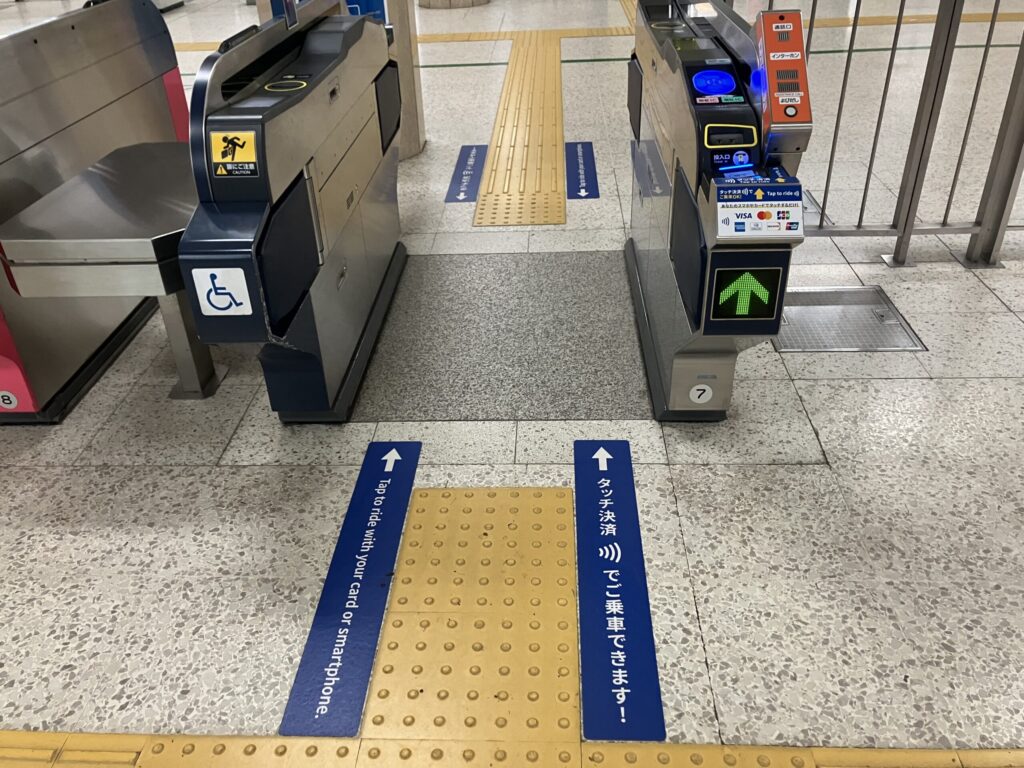
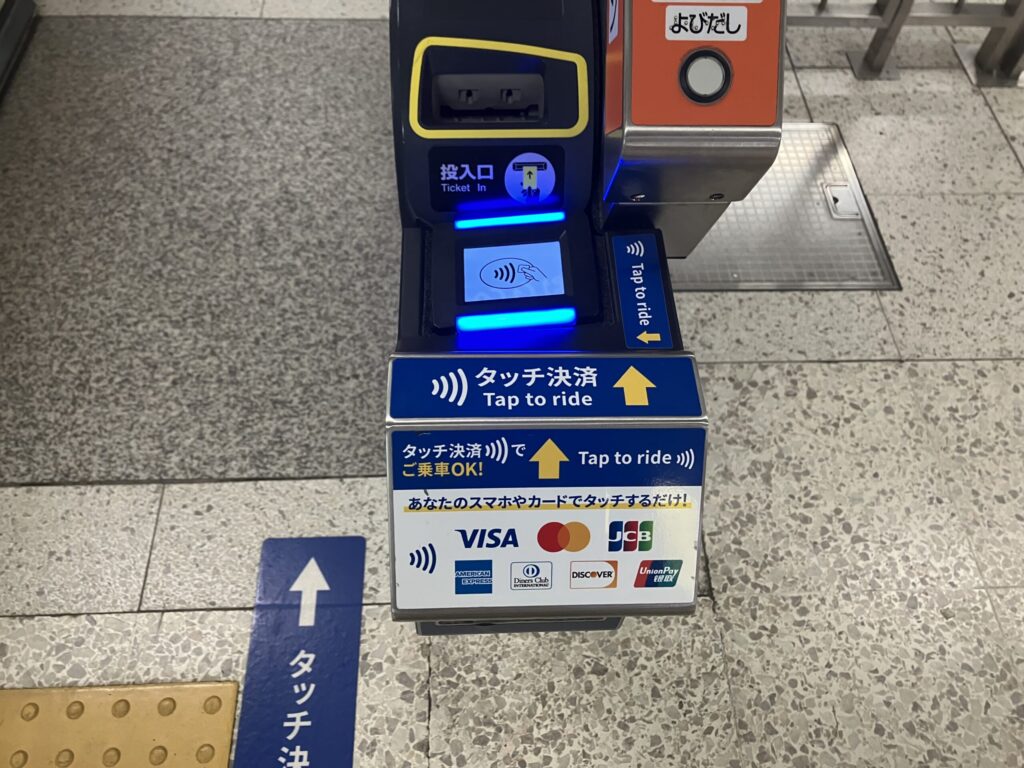
New (from March 26, 2026): Daily Fare Cap with Contactless Payment
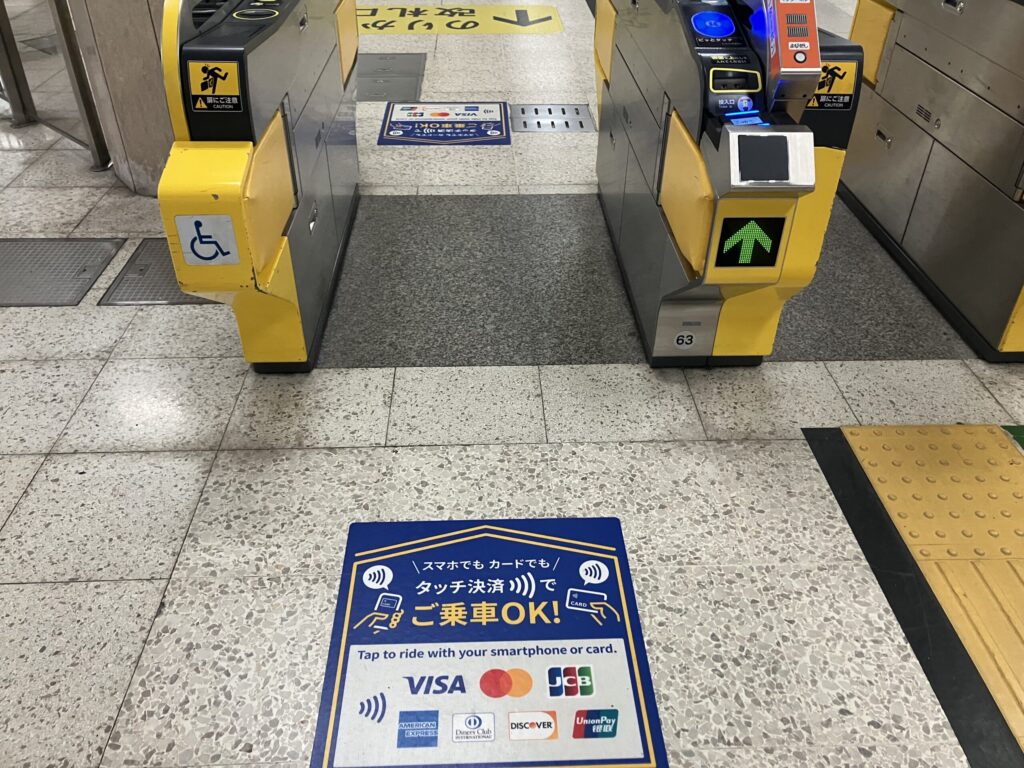
Sapporo has introduced a contactless payment system with a daily fare cap, making travel even more convenient.
Here’s how it works:
- Simply tap your credit card or smartphone to ride
- Your total fare is automatically calculated
- Once you reach the daily cap, rides become unlimited
Daily caps:
- Weekdays: 830 yen
- Weekends & holidays: 520 yen
This means you don’t need to buy a day pass in advance — the system automatically gives you the best price.
Important Notes
- This applies only to the Sapporo subway system (not buses or trains)
- The same card/device must be used consistently (no mixing devices)
- Adult fares only (no child or discount fares)
From a traveler’s perspective, this system removes a lot of friction — you can simply tap and go.
Renting a Car: Pros and Cons
✔ Pros
- Maximum flexibility and freedom
- Saves time (no waiting for transport)
- Easy with luggage
- Much more efficient for sightseeing
- Very convenient for families
For example, places like:
- Lake Shikotsu
- Shakotan Peninsula
- Furano & Biei
These destinations are much easier (and more enjoyable) with a car.
✖ Cons
- Parking costs (especially in the city)
- Driving in snow can be difficult
- Traffic and congestion
- You cannot drink alcohol
Important: Driving Requirements in Japan
If you plan to rent a car in Japan, you will need an International Driving Permit (IDP).
- Must be obtained before arriving in Japan
- Required together with your original driver’s license
Wildlife Warning (Hokkaido Only)
If you plan to drive in rural areas of Hokkaido:
- Wild animals such as deer may suddenly appear on the road
- This is especially common in mountain or countryside areas
Always drive carefully, especially at night.
If Driving Feels Difficult
If you are not comfortable driving, or getting an international permit feels complicated:
Consider joining local tours instead
- Bus tours are efficient and stress-free
- No need to worry about navigation or schedules
- Great for visiting places like Furano, Biei, or Shakotan
From my experience, this is a very practical alternative for first-time visitors.
Important: Where to Rent Your Car
Many travelers overlook this.
Option 1: Train → Sapporo → Rent a car later
- Common travel pattern
- Good balance of city + day trips
- However:
- Trains can be crowded
- Travel takes about 40 minutes from the airport
- Costs can add up
Option 2: Rent at the Airport (Recommended)
This is often the most efficient option.
- Start your trip immediately
- Easier with luggage
- Go directly to your destination
For example, you can go straight to Otaru, Furano, or other areas.
Especially recommended if:
- You have a lot of luggage
- You’re traveling with kids
- You plan to visit rural areas first
⚠️ Not recommended in winter if you are not used to driving on snow.
Best Choice by Travel Style
- City-focused trip → No car needed
- Otaru / nearby → Optional (car is slightly better)
- Nature & scenic spots → Car required
- With kids + outside city → Car strongly recommended
- Winter travel → Avoid driving unless experienced
If You Don’t Want to Drive
You can still enjoy your trip without a car.
Alternatives:
- Bus tours (efficient and easy)
- Food-focused trips in the city
- Walking + subway exploration
From my experience:
- City trips → a car is unnecessary (even inconvenient)
- Rural trips → a car makes a huge difference
Final Thoughts
The decision comes down to your travel style and itinerary:
- Adults + city → No car
- Families or nature trips → Rent a car
- Not sure? → Rent for 1 day only
Also, consider renting directly at the airport for a smoother experience.
This one decision can significantly impact how comfortable and enjoyable your trip will be.